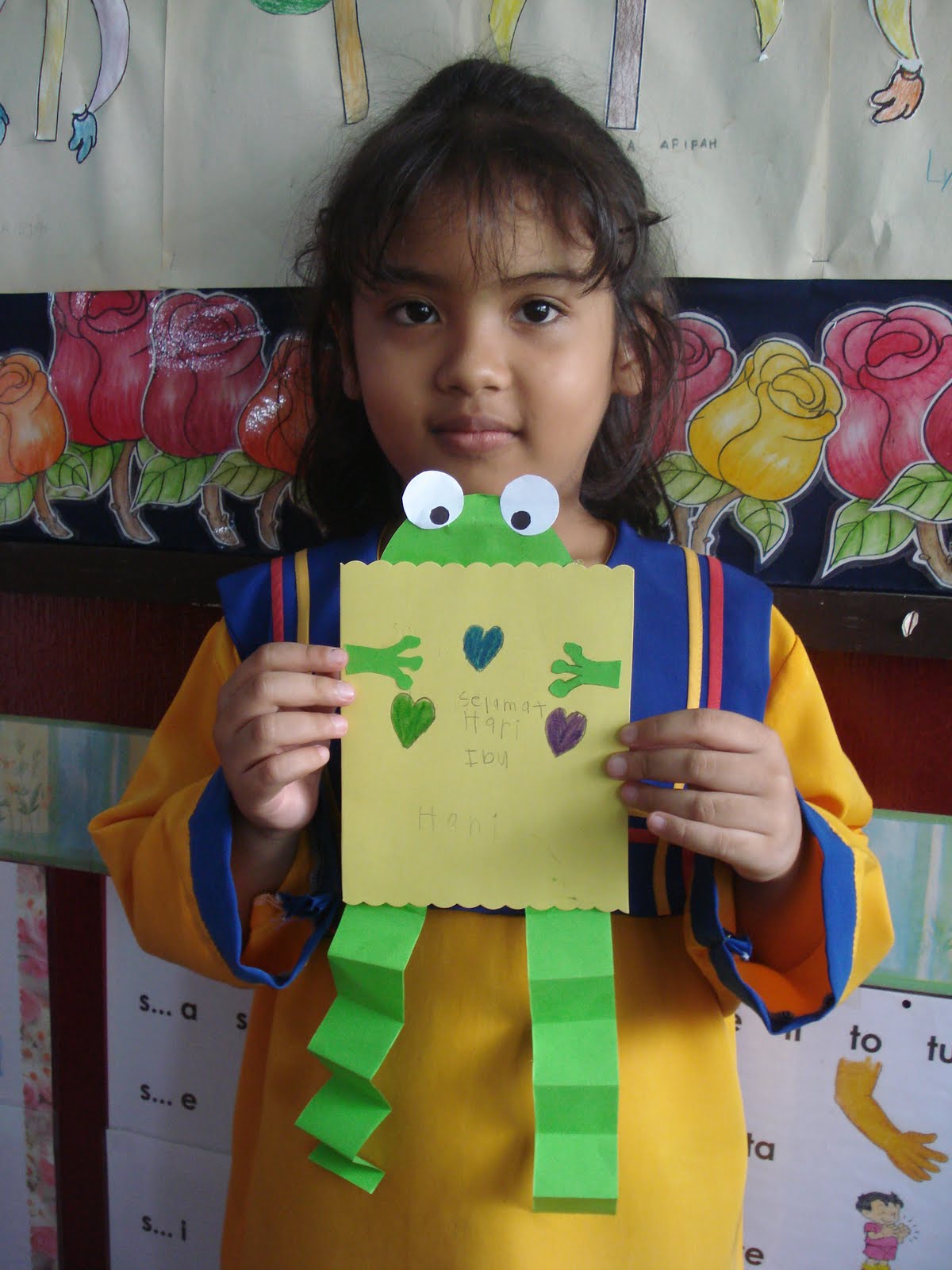
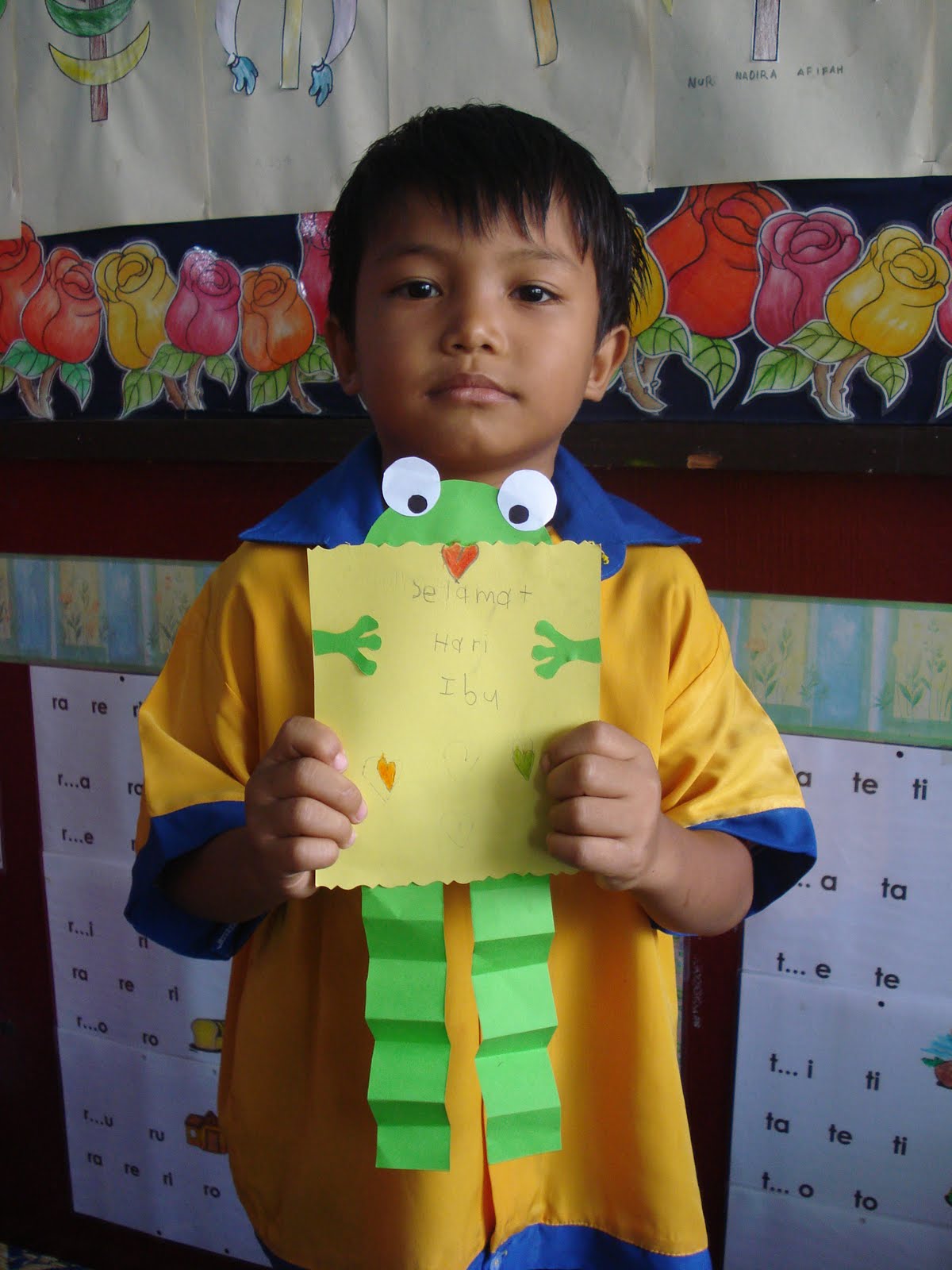
Tema tahun ini


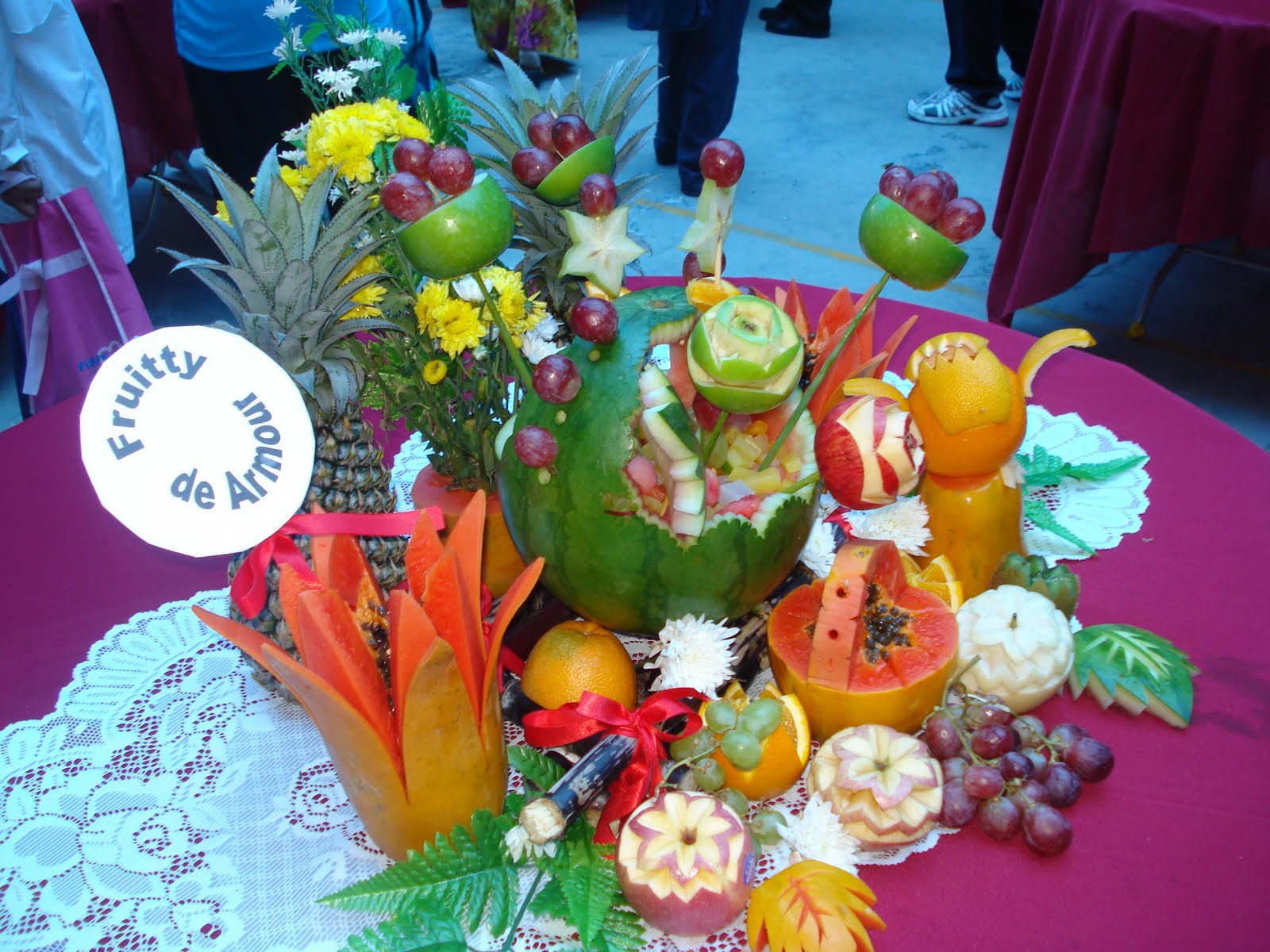 Hasil usaha kumpulan saya
 Semangat kental kumpulan A
 Muka berkilat sebab kepanasan mengukir
 Dapat hadiah Naib Johan
 Hadiah dari murid-murid sayaTema tahun iniHasil usaha kumpulan sayaSemangat kental kumpulan AMuka berkilat sebab kepanasan mengukirDapat hadiah Naib JohanHadiah dari murid-murid saya


 Assalamualaikum.


Thinking games are a great way to build your child's problem-solving, memory, and reasoning skills in a fun, engaging way. These games can be played with as few as two players and as many as a classroom. They are completely portable and limited only by your imagination!
These games can be played with a relaxed, non-competitive pace that naturally teaches children turn taking, listening for detail, cooperation, and valuing contributions of others.
Bumble Bee, Bumble Bee is a thinking game many of us played in early childhood. You may have learned it by other names, but the concept is the same.
The object of Bumble Bee, Bumble Bee for young children is to identify an object in the area that another player is thinking about. One player chooses an object and gives other players a clue about its identity. Players take turns guessing what the object might be, and they continue until it is identified.
For preschoolers and early primary students, the clue is usually the color of the object. The game can be made more complex by using sizes, shapes, textures, or other ideas you may have in addition to colors.
How to Play:
Another rhyme you may remember is: "Riddle, riddle Marie, I see something that you don't see, and the color of it is (say the color)."
Infants learn by sight, sounds, smell, and feel of objects. Any object they can pick up invariably finds its way to their mouths, so keep all small objects away from your child to prevent choking. Use only toys that approved for your baby's age, are way too large to fit into their mouths, and are made of non-toxic materials. Clean them frequently with non-toxic, child-safe cleaners.
During your baby's first year of age, use naturally occurring opportunities to visually show and verbally say small numbers. For example, while cuddling, hold up one toy or familiar object in front of your child and say, "one doll, block, bottle, etc." Allow your child to touch the object. Over time, introduce two and three objects, up to about four. This activity can be used to demonstrate early vocabulary as well.
Use your typical playtime activities to show and say math related concepts such as again, more and less, same and different, and smaller and bigger. Keep your voice playful and sing-song, and remember to model correct language usage. Modeling these words using toys and other common objects will help your child learn the vocabulary and begin developing a non-verbal understanding of quantity, number, and visual comparison.
Hide a person or toy behind a blanket. Say the name of something you're not hiding. For example, if you're hiding a teddy bear, say "Where's Daddy?" Lower the blanket and show an expression of surprise and laughter. Say "No! That's not Daddy! That's a teddy bear!" Alternately, hold the blanket up and ask, "Where's the toy?" while holding nothing behind the blanket. Pull the blanket away, smile, and laughingly say, "Nothing," "There are none," or "There is no toy." "The bear is gone." Quickly bring the bear or toy back if your child becomes upset that it is gone.
This game develops observation, visual discrimination, and the concepts of "not, none, nothing, and gone." It also teaches a basic level of humor and encourages your baby to look for ways to solve problems.
This is a great game played around the house, at the store, or on any other outing. Point out objects. Say "What is that? What's that?" Say the name of the object and its number. "That is one puppy! There are two babies!" At about the age of two years and older, add more details such as saying the color, size, and any other visible details with the number that present themselves, as in "There are three red balls." This teaches number and descriptive vocabulary and builds vivid visual memories of objects and people and builds on what speech therapists call "wh" questions. Repetition is helpful for memory and creates a foundation for your child to build future learning in math concepts and problem solving.